November 26, 2026
Finding Flowers Grown With Fewer Chemical Risks
By @petalnotes80
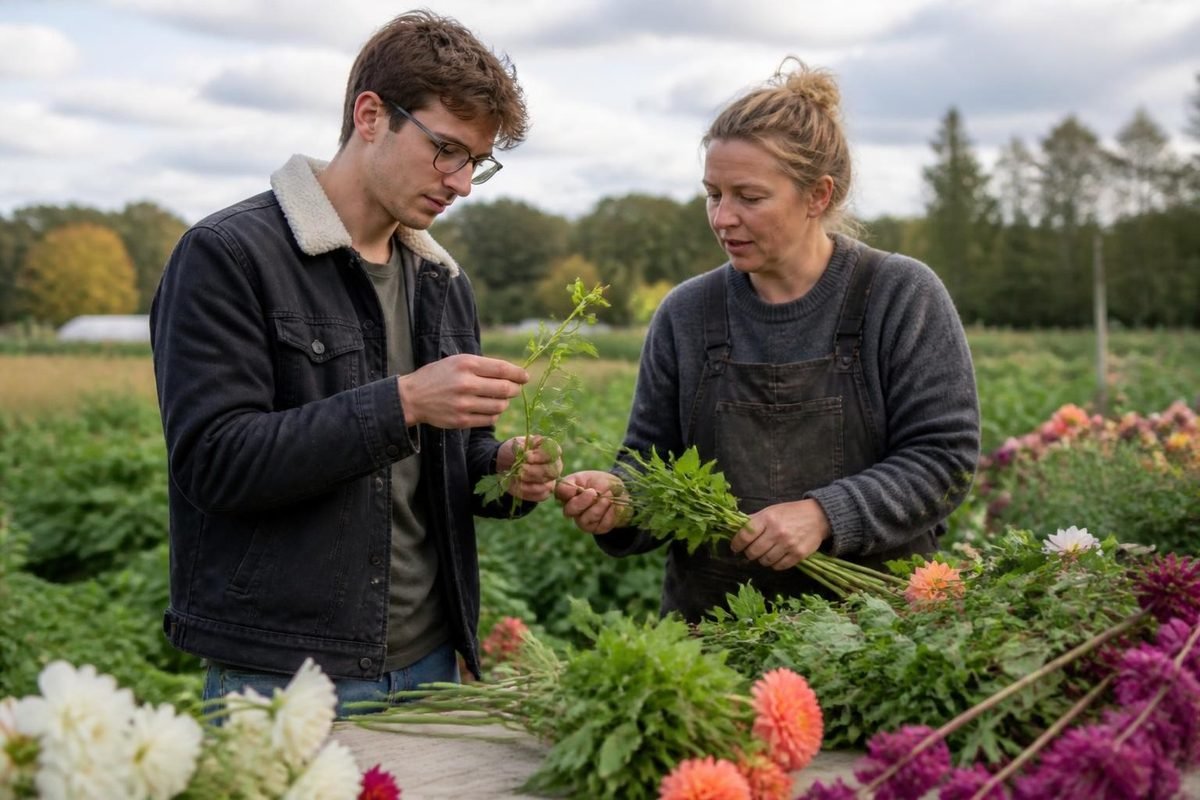
Florists can find flowers grown without harmful pesticides by asking growers how they manage pests and checking their answers against records or certifications. First decide which chemicals and growing practices matter to you, then work with suppliers who can describe how their flowers are produced.
Look for growers in your region
Search for flower farms at farmers markets, through local grower networks and at regional flower auctions. Buying nearer to the farm can make it easier to talk with the person responsible for pest control. If a visit is possible, you can see how the farm handles weeds, insects and soil. Keep in mind that seeing the farm does not confirm every product that may have been used.
Ask the grower to describe a usual season and the methods used to manage pests. Insect netting, rotating crops and providing habitat for beneficial insects can reduce pest pressure. These approaches may lower the need for sprays, but they are not proof that pesticides are never used.
Ask about the details
Words such as “natural,” “clean” and “sustainably grown” can mean different things to different sellers. Ask direct questions instead of relying on a general description. Find out which pest control products are used on the flowers you plan to buy, how often they are applied and what conditions lead the grower to use them.
Explain the standard you need the flowers to meet. You may wish to avoid certain active ingredients, rule out particular pesticide groups or purchase only flowers grown without any pesticide applications. Ask about treatments after harvest as well, since those practices may not be the same as pest control during cultivation.
Suppliers may need time to get accurate information from a farm, particularly when an order contains flowers from more than one source. If they cannot provide the details you need now, tell them what information you require before your next order. Do not assume that a flower meets your standard if the supplier cannot confirm it.
Review evidence and paperwork
A certification can be a useful place to begin, but certification programs do not all follow the same rules. Ask which standard applies, confirm that it covers the farm or flowers in question, and read its pesticide requirements. Organic certification, for example, limits which substances and practices are allowed. It does not guarantee that pesticides are never used.
When possible, request written descriptions of growing methods or application records for the crops you buy. A short questionnaire for suppliers can make it easier to compare farms and their answers. Keep the replies with your purchasing records so staff can trace each claim to its source.
Getting certified takes time and money, so a farm without certification is not automatically using chemicals you want to avoid. A direct conversation and clear records can help you evaluate a smaller grower. Be open, though, about information you have not been able to verify.
Make supply more reliable
Begin with a small number of seasonal varieties and agree on quantities ahead of time. A regular order can give the grower a clearer reason to plant flowers for your needs and help your shop plan for a steadier supply. Ask the farm to let you know if its pest control practices change.
If you cannot buy a flower directly from a grower, ask your wholesaler to name the farm and share your requirements. Keep another supplier available for times when flowers are hard to obtain. Do not tell customers that every stem meets a particular standard unless you have information to support that statement.
Specific questions, useful records and accurate descriptions help you choose flowers that fit your policy and explain your choices to customers without making claims you cannot confirm.
A good companion read: flowers for relatives back home
❧